What we buy today at San Pedro ends up on your plate tomorrow
It’s not a slogan. San Pedro Market is just minutes from our kitchen. Whatever arrives fresh every morning is served that very same day at Pirwa.
A market minutes away from the kitchen
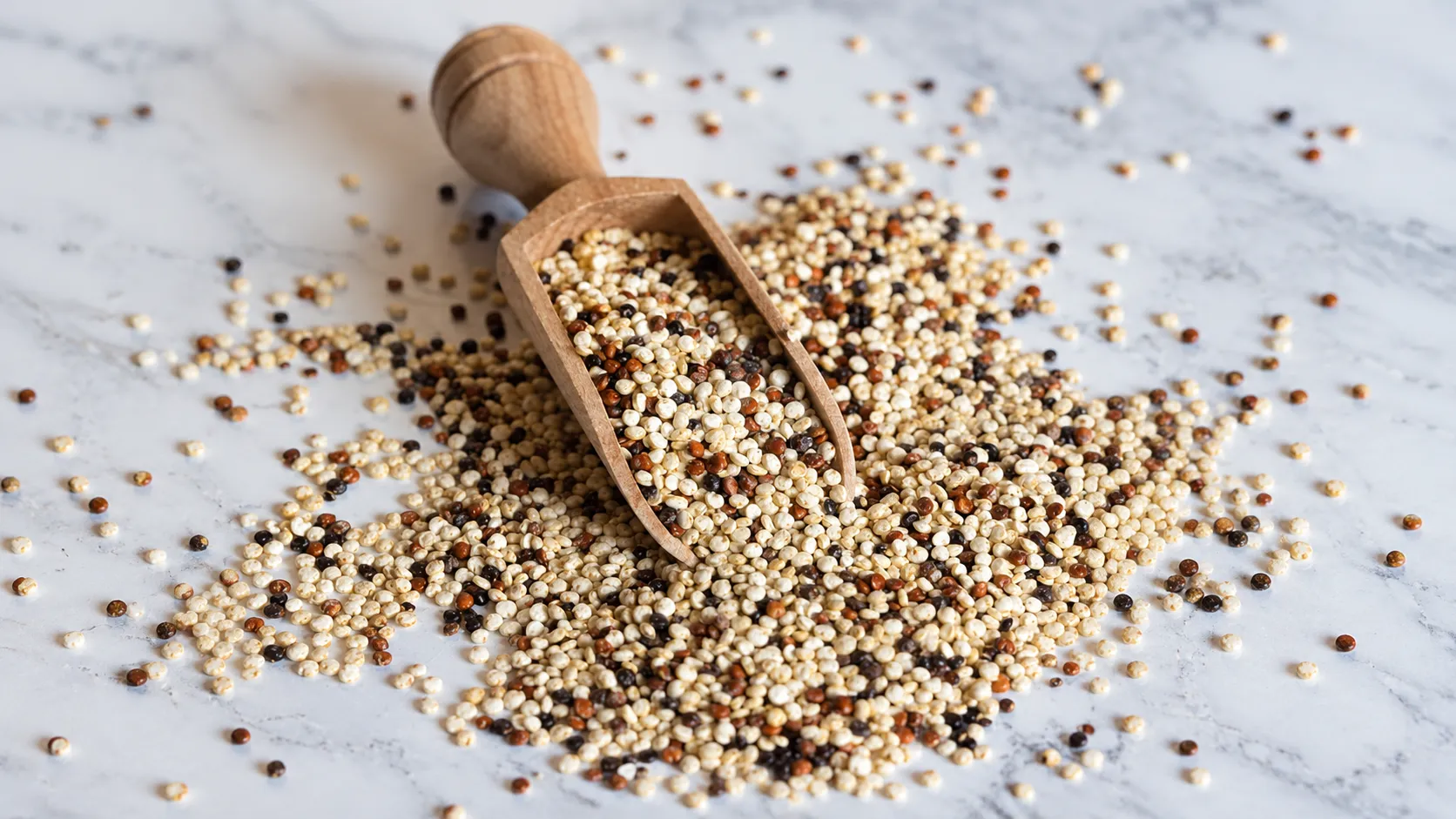
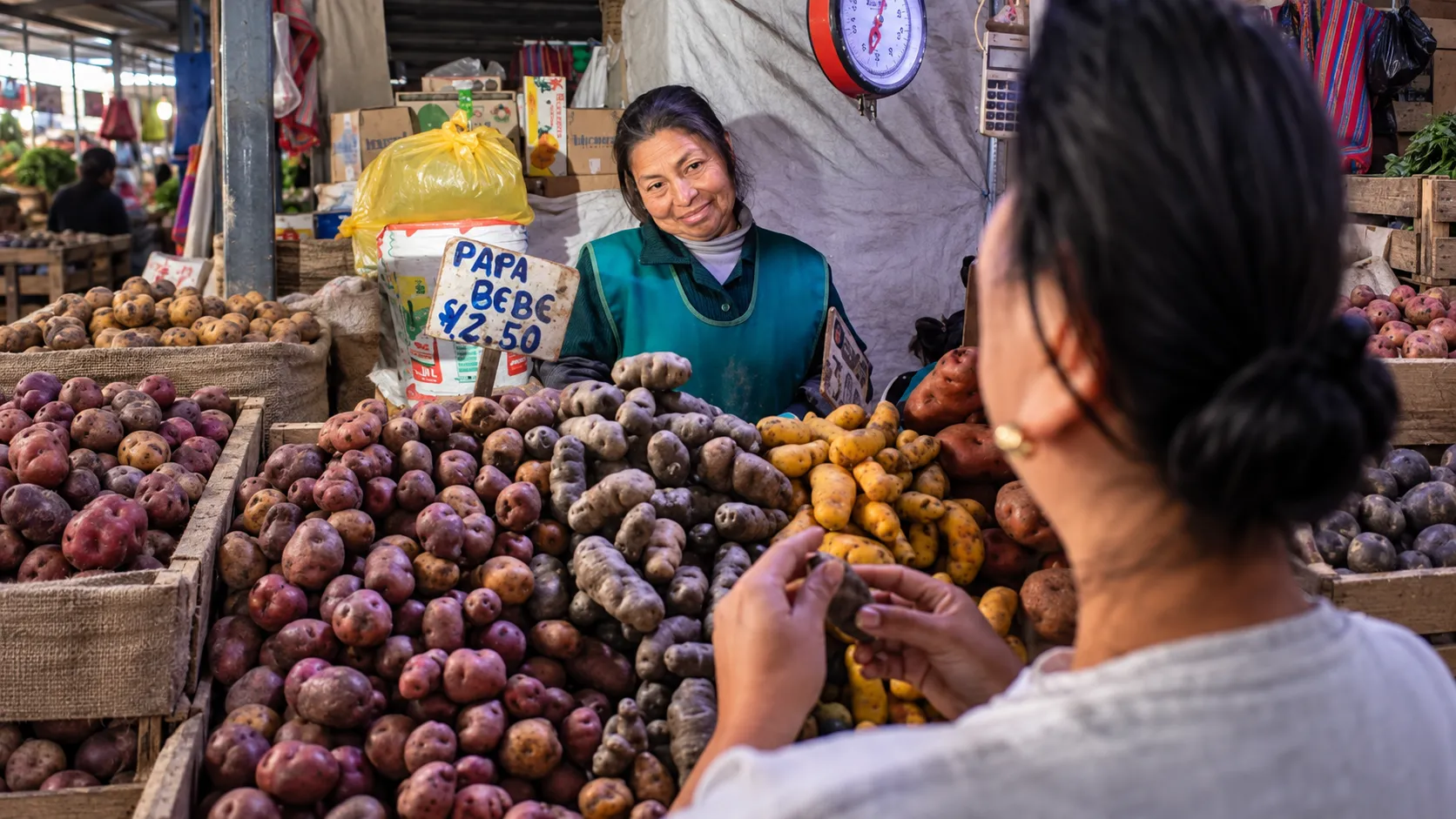
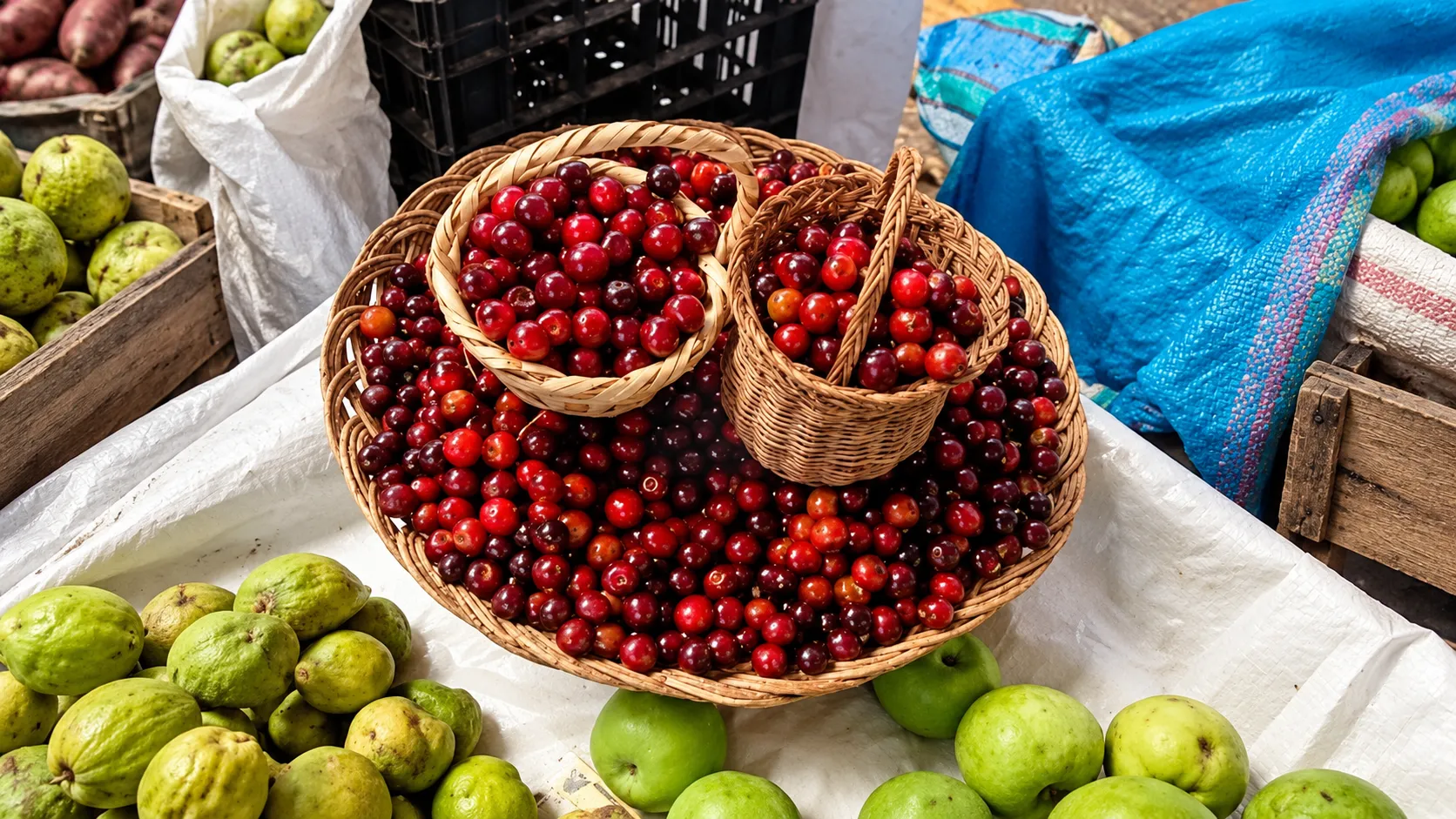
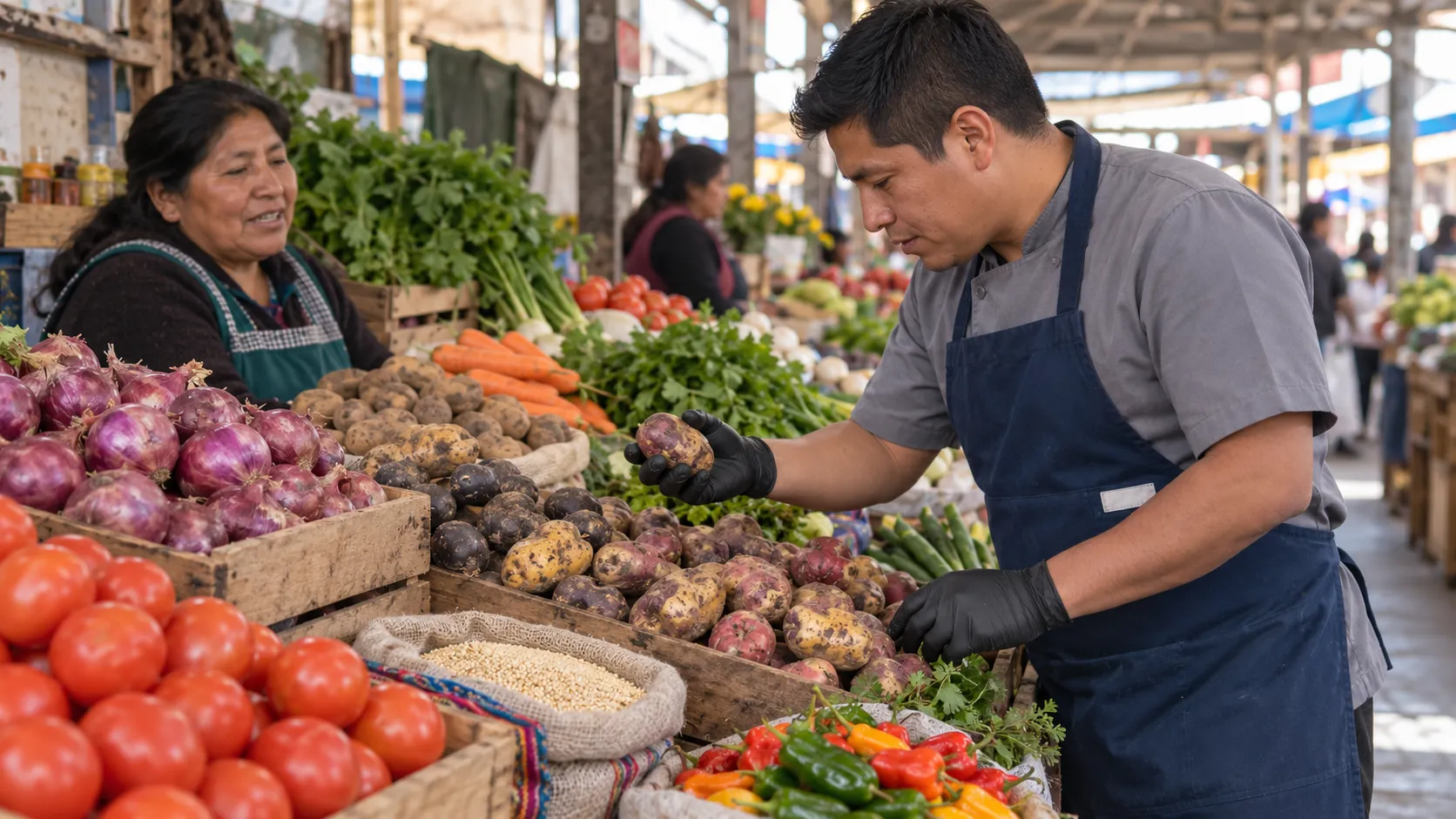
The San Pedro Central Market operates as Cusco's most important supply center. Early every morning, fresh produce arrives from the Sacred Valley, high Andean communities, and inter-Andean valleys: native potatoes still covered in mud, freshly cut macre squash, aromatic herbs that still smell like wet earth, bulk quinoa in three colors, river trout, and artisanal cow and goat milk cheeses. Everything is organized by sections — fruits, vegetables, meats, grains, dairy, herbs — along aisles where every stall is a direct supplier from the countryside.
Pirwa Restaurant is located in Plaza San Francisco, the gastronomic epicenter of Cusco, just a few blocks from that market. The distance between the stall where the ingredient is bought and the kitchen where it is prepared is covered in minutes. There is no cold room in between, no distribution chain, no middleman. Fresh produce, direct preparation.
From the vegetable section to the soup bowl
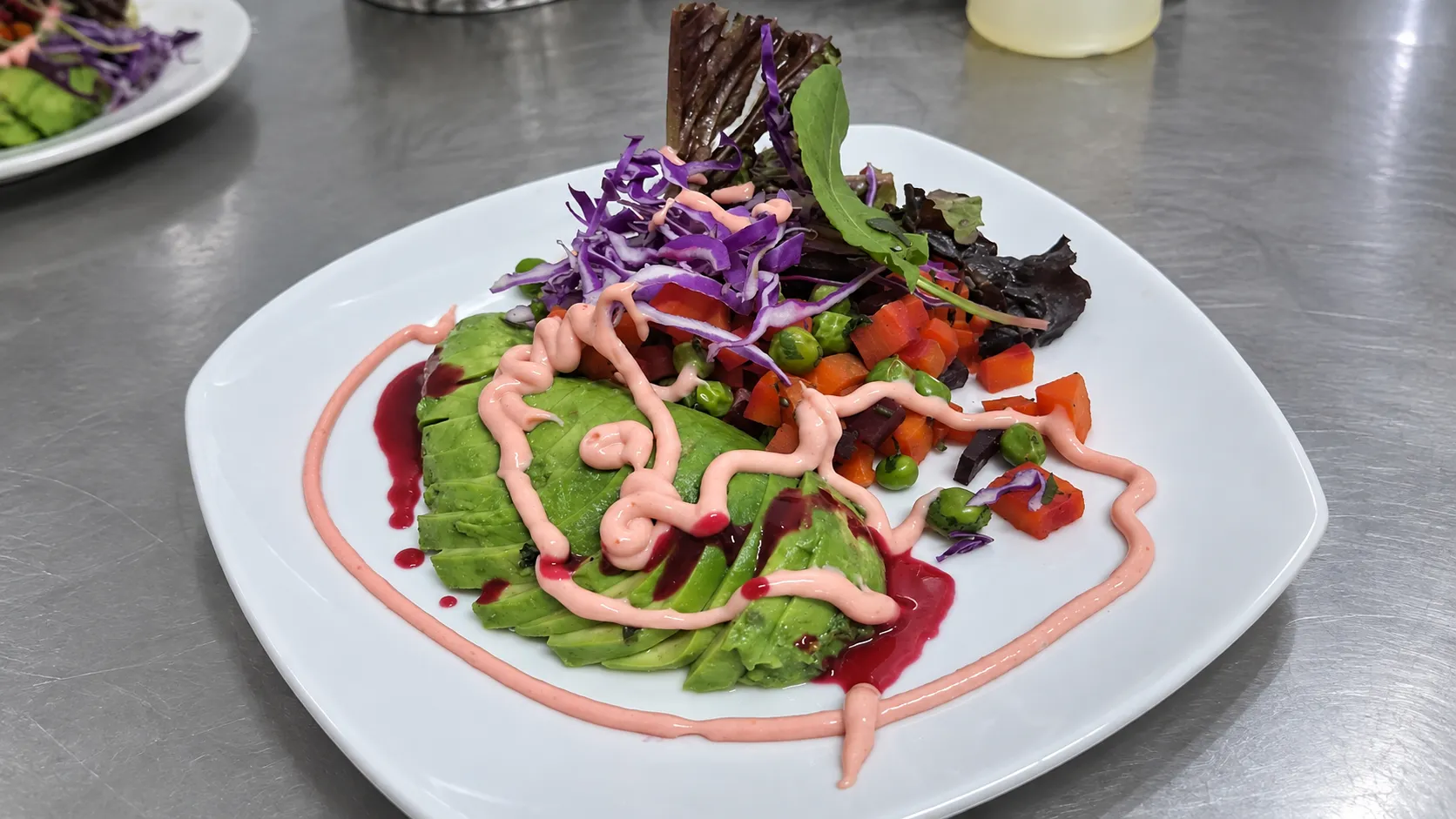
Macre squash, asparagus, valley mushrooms, quinoa — everything you see in San Pedro's vegetable section ends up in our soups and creams, prepared with what arrives fresh every morning. A quinoa soup served at Pirwa at noon was bulk grain in San Pedro at six in the morning. That is the chain: that short, that direct.
If you want to understand why soup in Cusco is an institution and not just any first course, in our guide we share where to enjoy an authentic lunch in downtown Cusco.
From the meat stall to the traditional picantero dishes
What in San Pedro is raw material — whole guinea pig, hanging fried pork (chicharrón), steaming adobo stew in a clay pot — becomes a served dish at Pirwa. Our section of Cusqueño picantero flavors is the direct translation of that market to the table: cuy chactado (deep-fried guinea pig), Cusqueño chicharrón, adobo stew, rack of lamb. Each dish is prepared with the exact same type of ingredients that the market cooks use in their own food stalls — the difference is that here you sit down with a fireplace and a colonial balcony.
The quinoa you don't know what to do with
At San Pedro, you will find bulk quinoa in all colors — white, red, black — and most visitors don't know what to do with it beyond a soup. There are at least eight ways to use the grain you buy in San Pedro, ranging from breakfast to desserts. Quinoa is not just an export superfood — it is an everyday ingredient cooked daily in Cusco, in ways most tourists have never seen.
What about ceviche? Yes, even in the highlands
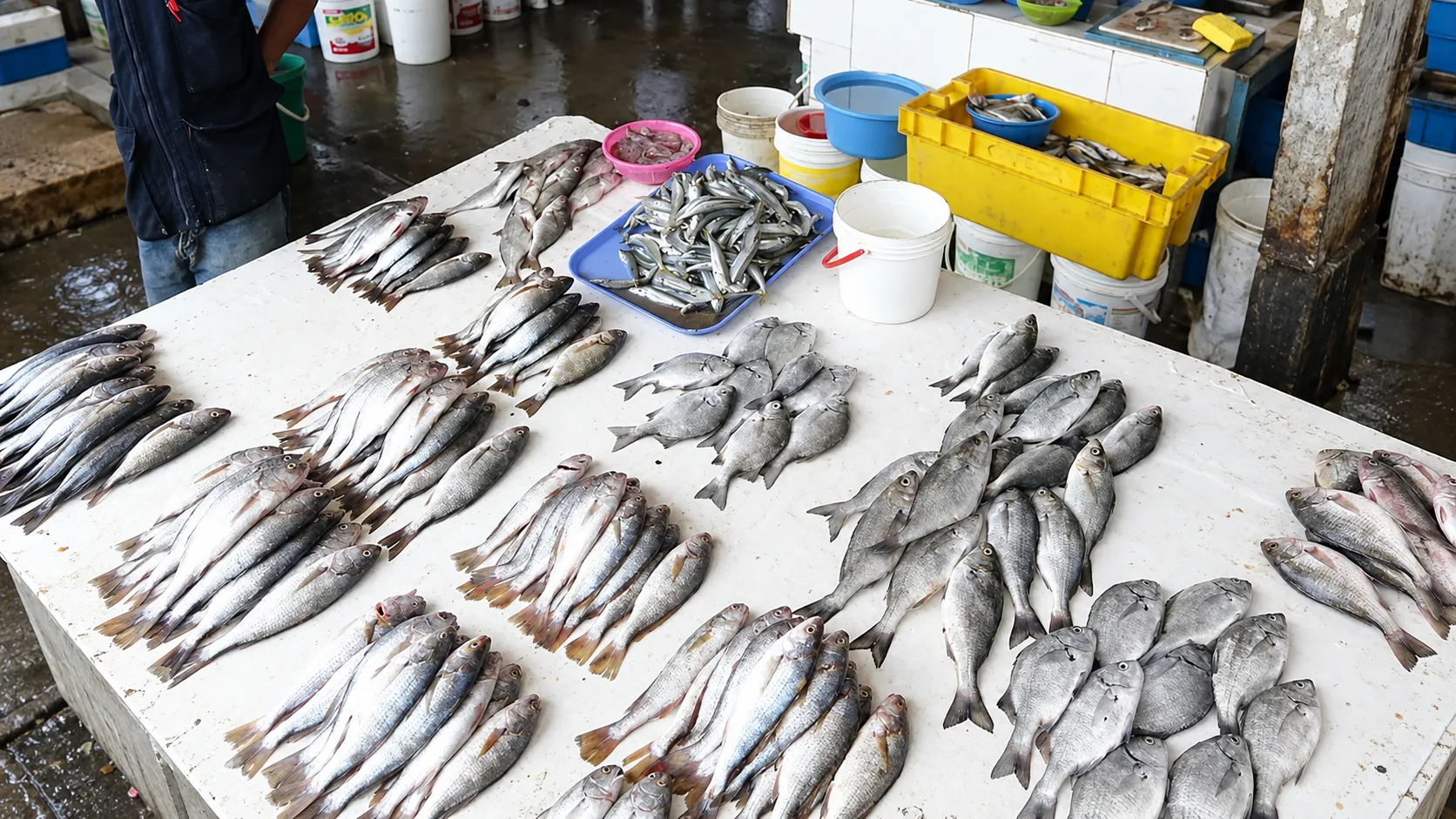
One of the most frequent questions we hear: "Can you eat ceviche in the highlands?" The answer lies in the trout and kingfish stalls of San Pedro. Fresh fish exists in the Andes if you know what to look for — and Cusco has its own ceviche tradition that deserves its own article. Discover the ceviche you can make with fresh fish in Cusco.
What was there before the market
San Pedro is not just a market: it is a living museum of pre-Hispanic ingredients. Quinoa, corn in all its varieties, native potatoes, aromatic herbs, chili peppers — all of that was there before the Spaniards, before the market, before the colonial city. If you are interested in learning how people cooked with these same ingredients 500 years ago, discover the Inca cuisine still prepared with these same ingredients.
The market as part of the city
San Pedro Market is not an isolated tourist stop — it is part of the living fabric of Cusco's historic center, just a few blocks from the Main Square (Plaza de Armas), Qoricancha, and Sacsayhuamán. If you want to understand the whole city and not just its market, a Cusco City Tour that includes the historic center where San Pedro is located gives you the full context.
What goes unseen but is noticed
Cooking with fresh produce from San Pedro requires a quality standard that doesn't stop in the kitchen. The table where that dish is served also matters: clean tablecloths, stain-free, without any musty smell. At Lavamatic, they support us with professional tablecloth washing for restaurants in Cusco. And behind every dish served, there is a kitchen team wearing immaculate aprons, jackets, and hats thanks to uniform washing for the kitchen team. Because the freshness of the dish is noticeable, but so is that of the tablecloth and the uniform.
Fecha de Publicación: 08/09/2026

