What people eat on the way to the Señor de Huanca doesn't appear in any guide
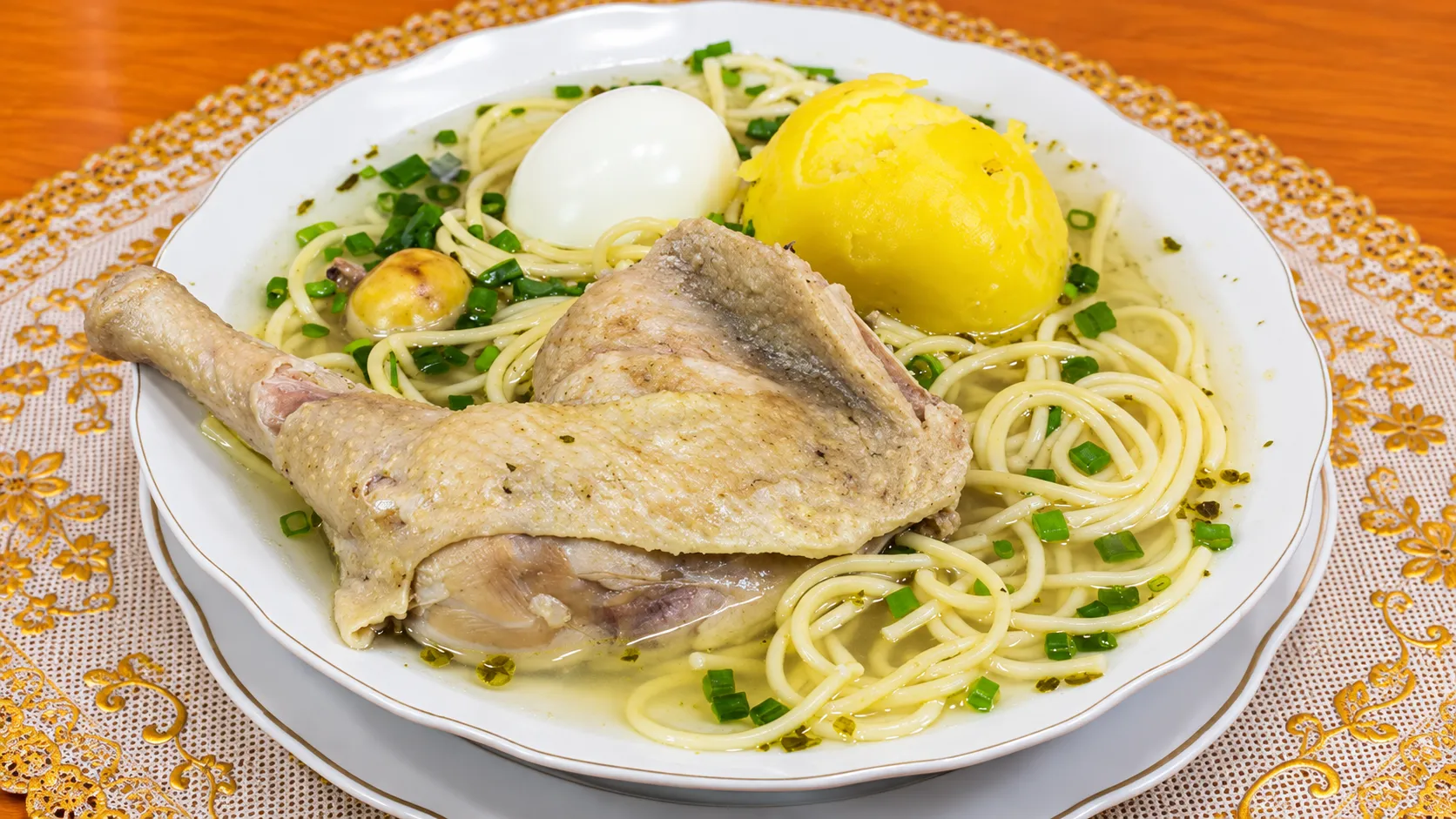
48 km of walking, cold, and altitude. What sustains the pilgrims isn't motivation: it's a hot broth bought from a tent by the side of the trail.
The fair that no one plans, but everyone needs
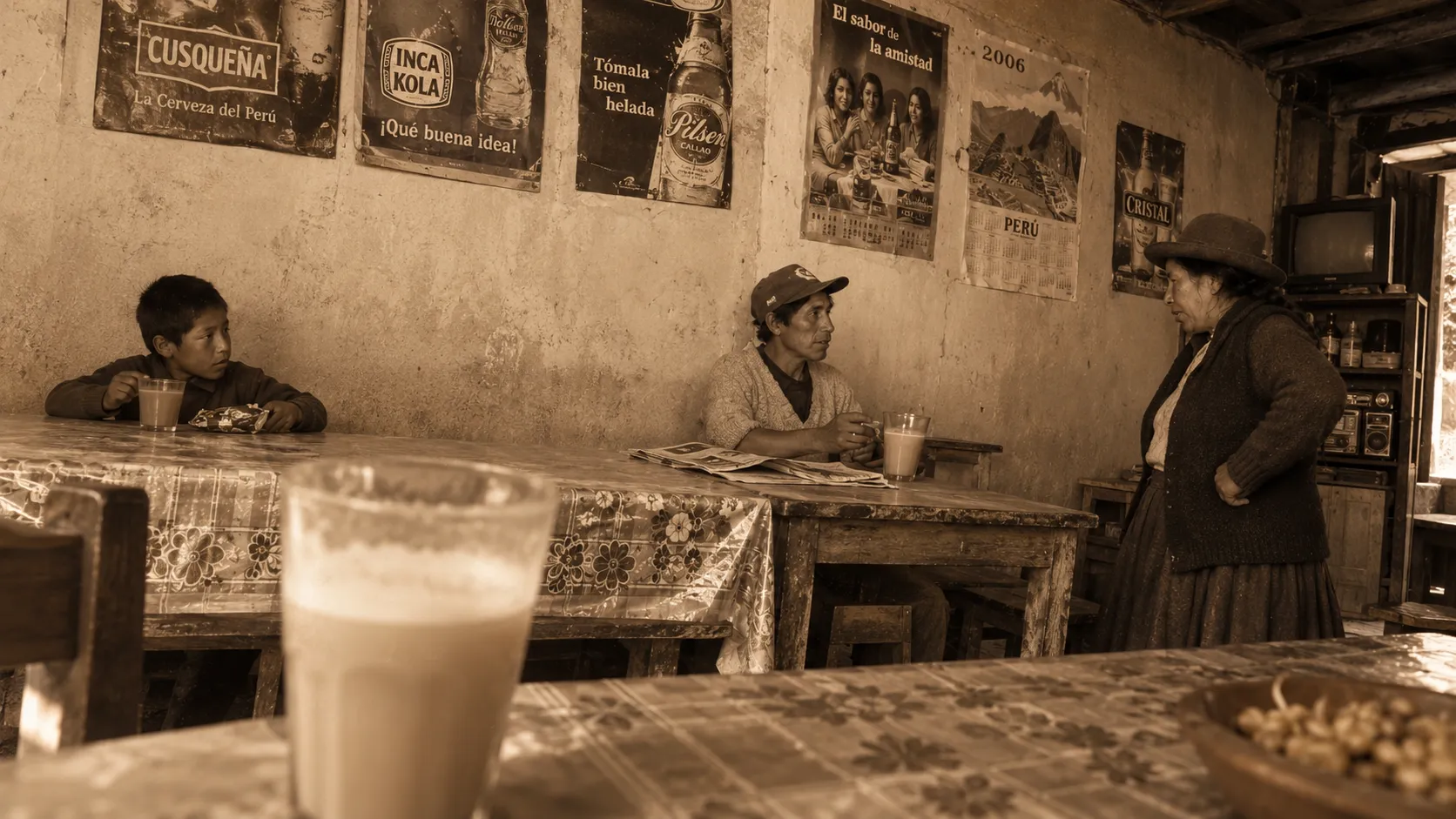
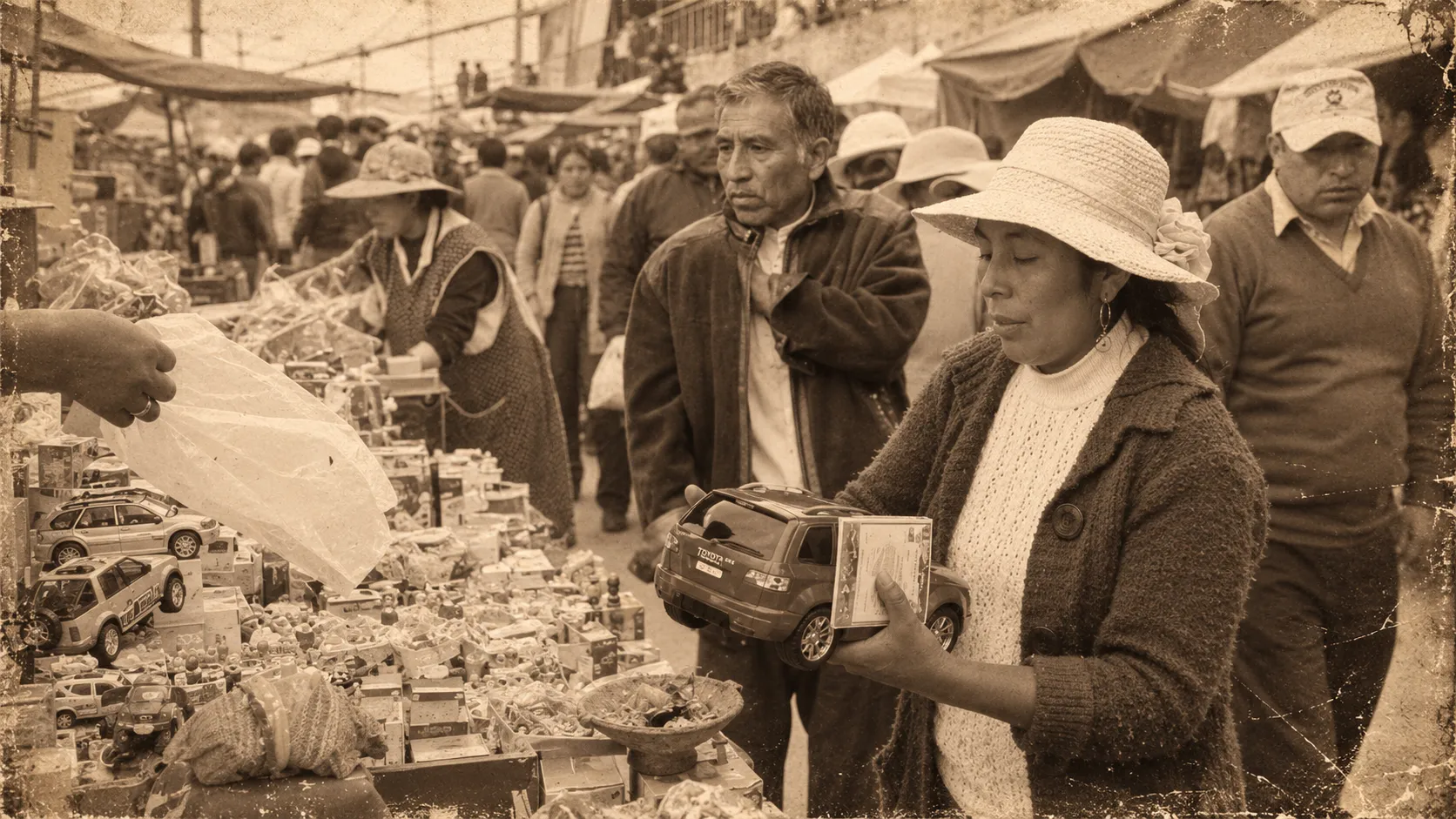
The pilgrimage to the Señor de Huanca departs from San Jerónimo on the night of September 13th and reaches the sanctuary of San Salvador at dawn on the 14th. It is 48 kilometers on foot, at night, over 3,000 meters above sea level. There are no restaurants along the route. Instead, rustic tents are set up at strategic points along the trail and around the sanctuary, where the food serves a concrete purpose: restoring your strength to keep walking.
Broth: the first thing everyone looks for
Chicken broth (*caldo de gallina*) is the top seller in the roadside tents and at the sanctuary fair. It is no coincidence — at over 3,000 meters above sea level, in the dead of night, after hours of walking, the body needs warmth from the inside out. Hot broth isn't a craving; it's what keeps you on your feet. Quinoa soup serves the exact same purpose: hot, hearty, and packed with grains that sustain you far better than a cup of herbal tea.
At Pirwa, we serve that very same logic year-round. If you want to understand why broth is king in Cusco — not just on the pilgrimage, but on any winter morning.
Tamales and chicharrón: fairground fuel
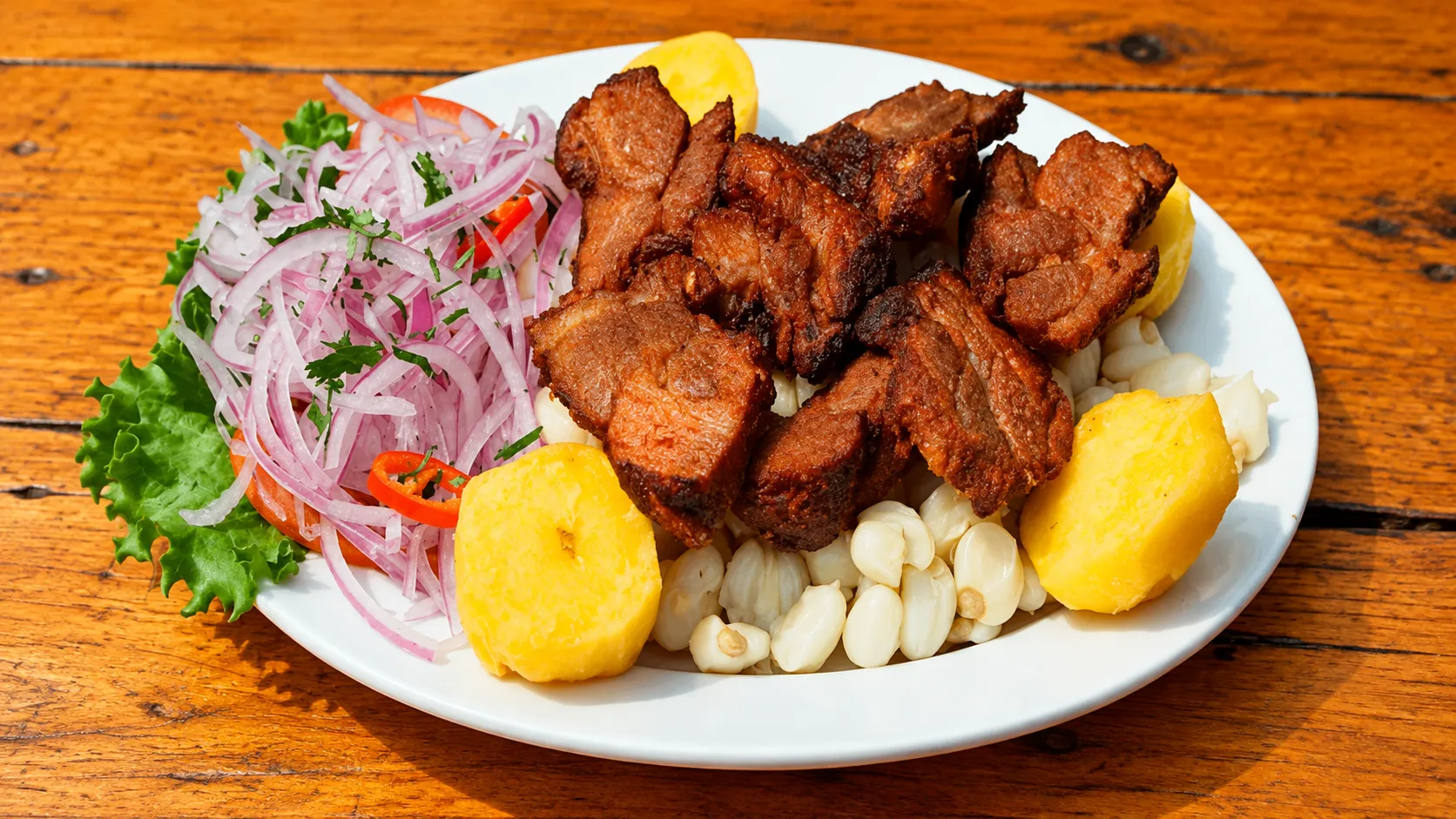
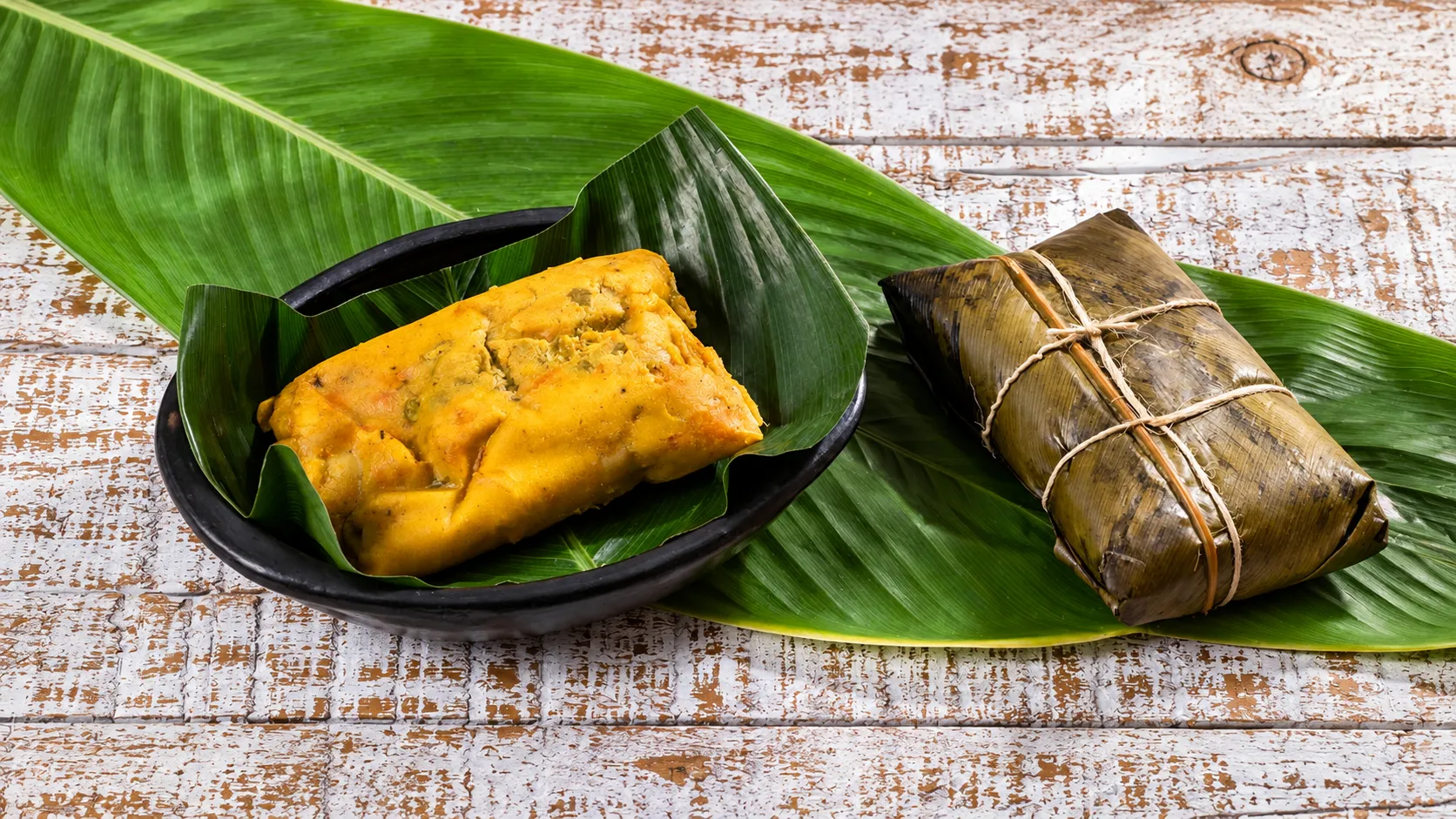
Tamales are sold fresh, wrapped in banana leaves, in the very same tents where broth is served. Cusqueño *chicharrón* appears fried in lard, served with *mote* (giant corn) and onions. These are the two dishes consumed most often on your feet, without utensils, amid prayers and chatter — finger food because nobody sits down formally at a pilgrimage fair.
Cusqueño *adobo* also has its spot, especially on the morning of the 14th when newly arrived pilgrims look for something substantial before the main mass at 10 AM.
Chicharrón, adobo, tamales: what is sold at the Señor de Huanca fair is a concentrated showcase of popular Cusqueña cuisine.
Ponche: warmth that isn't broth
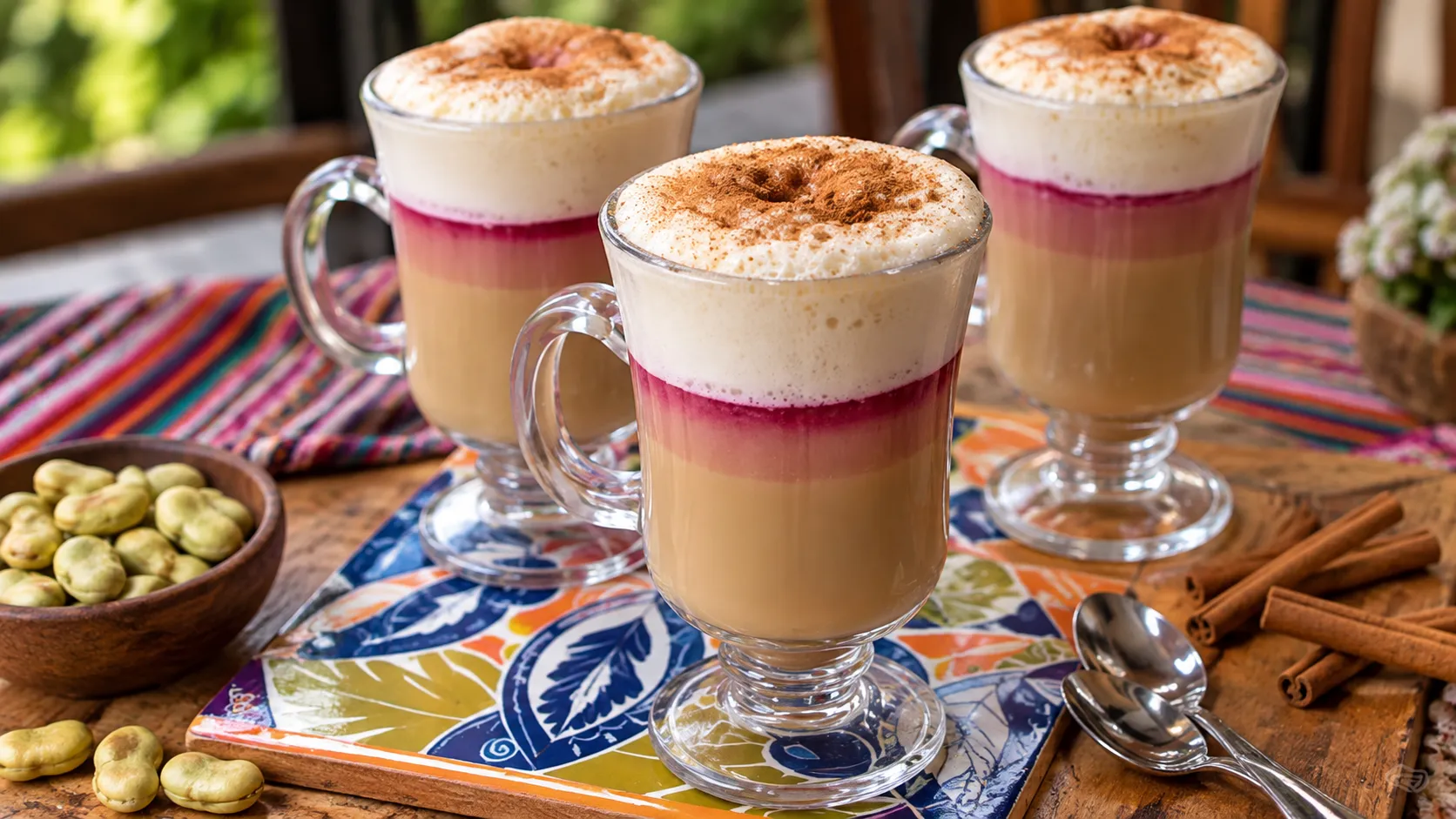
Hot *ponche* is the route's other constant. Made with milk, almonds, or wild cherry (*guinda*) — all three versions appear in the tents, and all three fulfill the same purpose: warming you up without filling you up too much, a sweet drink enjoyed between stretches of walking. At Pirwa, we serve all three: Milk Ponche, Almond Ponche, and Guinda Ponche — the same recipes pilgrims look for along the trail, served at table side by the fireplace.
Chicha: the drink that is never missing
At the sanctuary fair, *chicha* is a staple. Neither *chicha morada* nor *chicha de jora* is ever absent. They are inseparable from any Cusqueña celebration, religious or otherwise. Learn the history of chicha de jora, Peru's flagship beverage for over 2,000 years.
Wood-fire cooking, corn, and Andean spices
What you see in the food stalls on the way to the sanctuary is no colonial invention. Wood-fire cooking, a base of corn, Andean spices — it comes from long before. If you're interested in understanding those pre-Hispanic roots, discover the Inca cuisine still prepared in Cusco today.
When you return to the city
The food at the Señor de Huanca fair isn't made for tourists. It's food by locals, for locals. If that is what you're looking for when you return to the city, here we show you where to eat authentically when returning to downtown Cusco.
And if the tamales and broths of Señor de Huanca showed you how food and faith blend in Cusco, there is another dish where that connection is taken to the extreme: chiriuchu: another ritual dish uniting faith and gastronomy in Cusco.
Calca, the town home to the sanctuary, is one of the gateways to the Sacred Valley. If you're heading out that way, you can take advantage to tour the complete Sacred Valley from Cusco — Pisac, Ollantaytambo, and Chinchero all in a single day.
Fecha de Publicación: 05/09/2026

