The Rains Have Arrived: What Is Planted Today and Reaches San Pedro for Carnival
With the first rains, the Cusco countryside plants beans, corn, and potatoes. What is sown today reaches San Pedro months later. We tell you when.
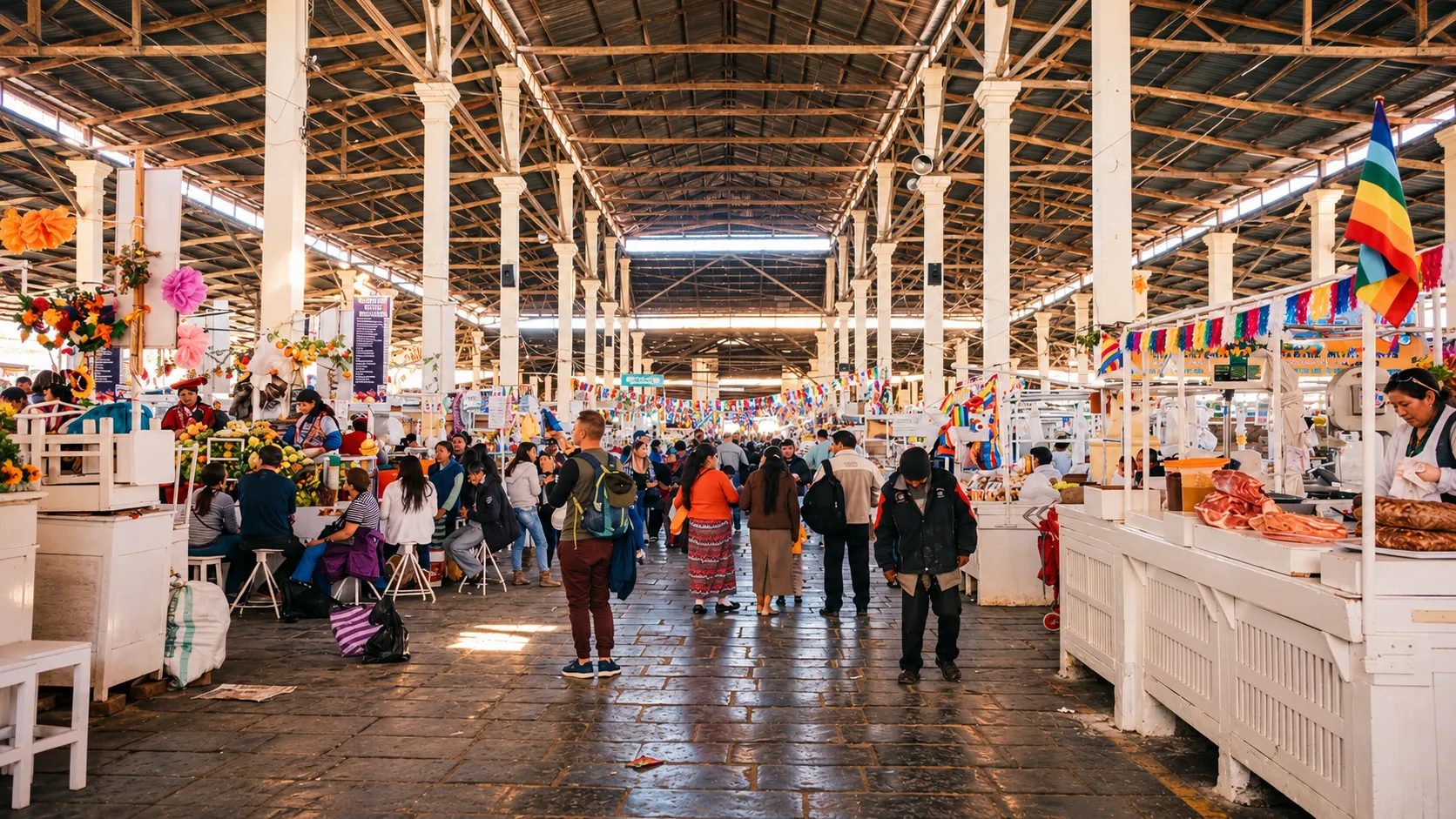
In Cusco, there is a very common belief: that with the arrival of the rain, the market immediately fills up with new produce. That is not the case. When the rain starts, it doesn't fill the stalls of San Pedro first; it reaches the farm plots first. Between October and November, the Cusco countryside carries out its primary planting season, and what goes into the soil today won't appear in the market stalls until months later, just as the city prepares for Carnival.
Understanding this agricultural calendar changes the way you explore the market. It tells you what is truly fresh, what comes from irrigated fields, and what is worth waiting for. These are the three crops that the rains set in motion.
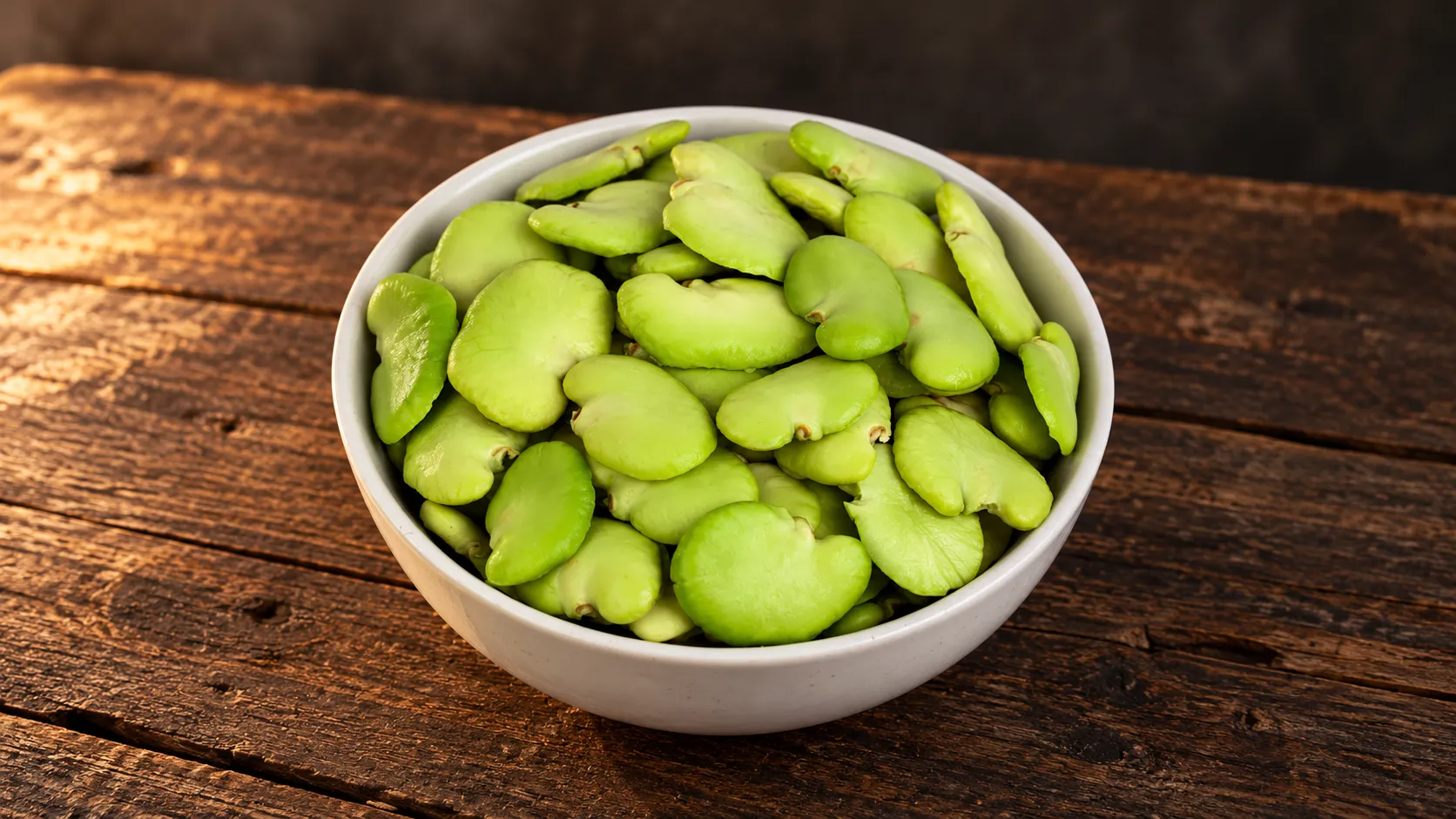
1. Fava Beans: Planted Now, Arriving Green for Carnival
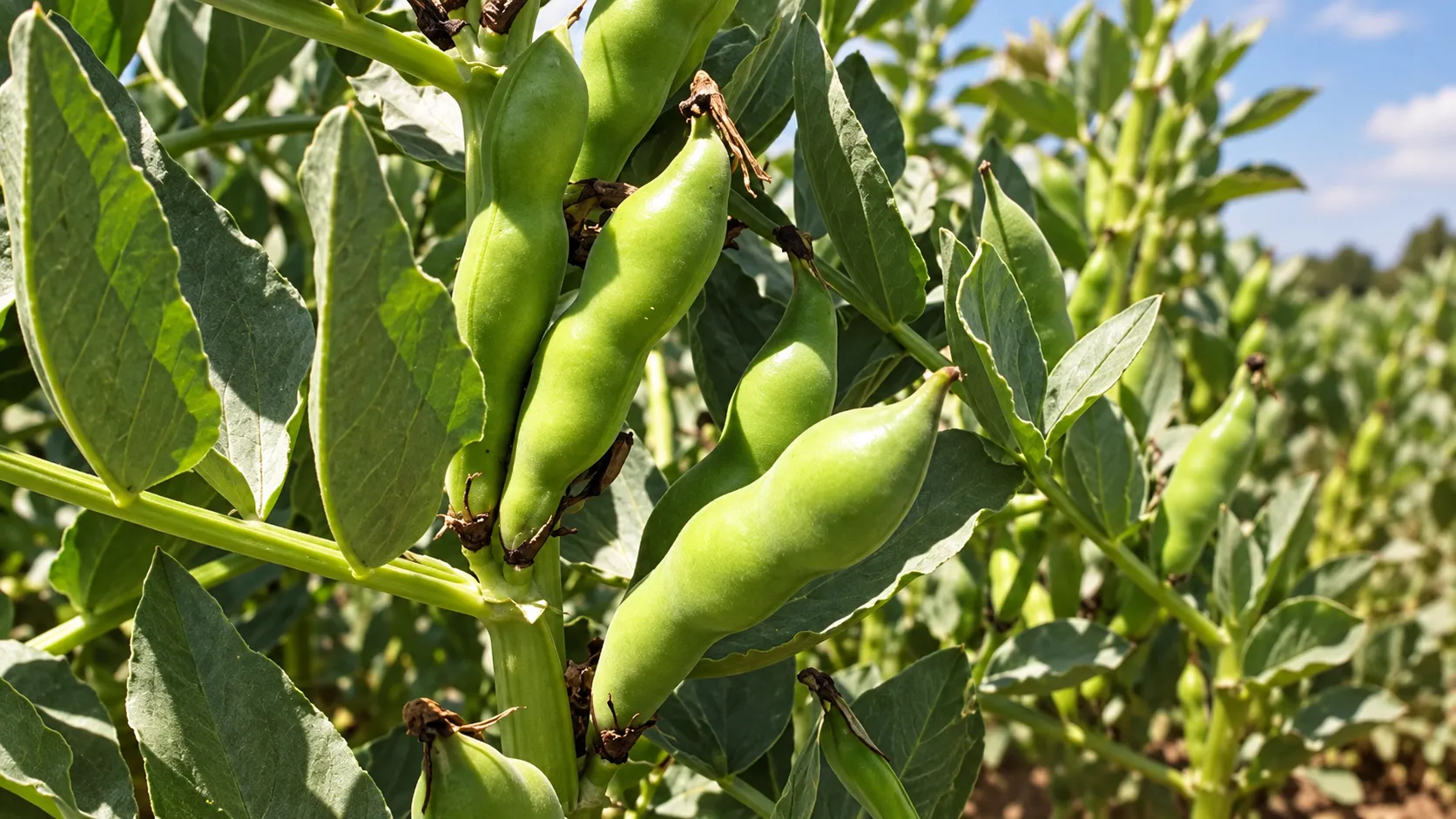
According to the INIA Fava Bean Cultivation Manual, in high-altitude areas without irrigation, fava beans are planted with the first rains of September and October. From planting to harvesting fresh green pods takes between 150 and 200 days, depending on the variety: early varieties, like Cusqueñita, are ready sooner, while late-maturing varieties, like Quelcao, take longer. Do the math, and the main wave of rain-fed tender fava beans arrives between February and April, during the Carnival season.
So where do the green fava beans you see in San Pedro today come from? From irrigated fields planted back in April or May. They are good, but they represent a different harvest cycle. The rain-fed crop is still growing in the soil.
A fun fact few people know: the fava bean is not native to the Andes. It arrived with the Spanish conquistadors, and the Andean region adopted it so well that it feels native today. That is why it doesn't have a distinct Quechua name: in the countryside, it is called hawas, which is simply the Spanish word adapted to Quechua pronunciation.
How to choose them: in the produce section, they are sold bound in bundles. Look for bright, firm pods. If the pod appears dull or soft, the inner beans have already become mealy. Reference price: S/ 2 to 3 per large bundle.
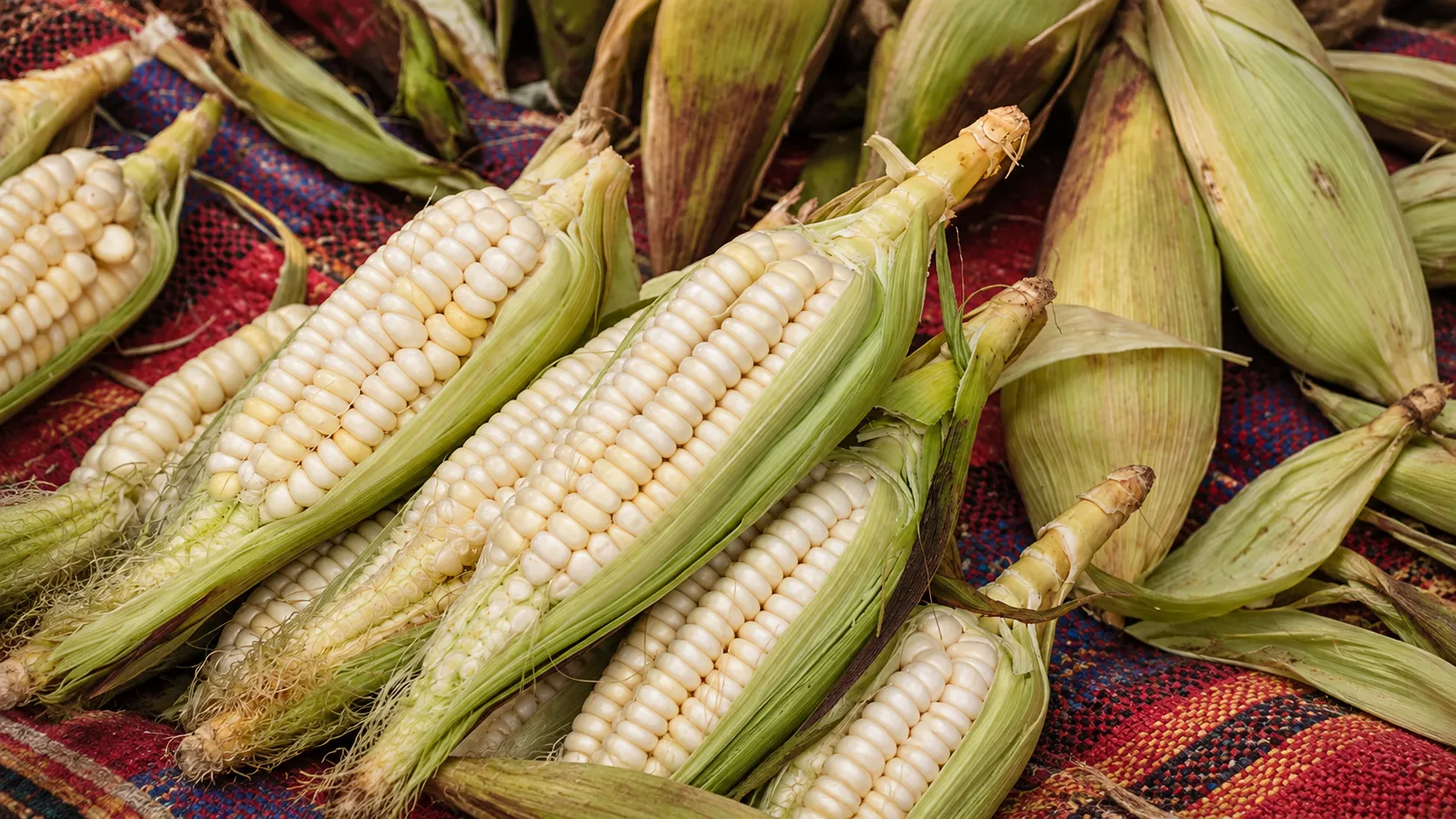
2. Corn (Sara): The Planting Season That Defines the Year
Corn, on the other hand, is native to the Andes, and its Quechua name is sara. The word choclo (fresh corn on the cob) also comes from the Quechua word chuqllu, meaning tender ear of corn. INIA recommends planting early rain-fed varieties between October and the first week of November, once the rainy season has fully established itself. In the valleys of Calca and Urubamba, right along the route of a Sacred Valley tour, planting is even partially mechanized.
Tender choclo is the first thing harvested from this planting, during the first months of the year. The dry grain—used to make chicha, mote, and cancha—arrives much later: mid-cycle varieties take between 190 and 230 days to mature. If you see choclo in San Pedro during October, it comes from warmer valleys or irrigated crops. The rain-fed choclo doesn't exist yet.
On the Cusco table, corn appears in almost everything, from simple choclo con queso (corn with cheese) to traditional typical dishes of Cusco that serve it as a side. The difference between freshly harvested corn and one that spent days in cold storage is undeniable from the very first bite.
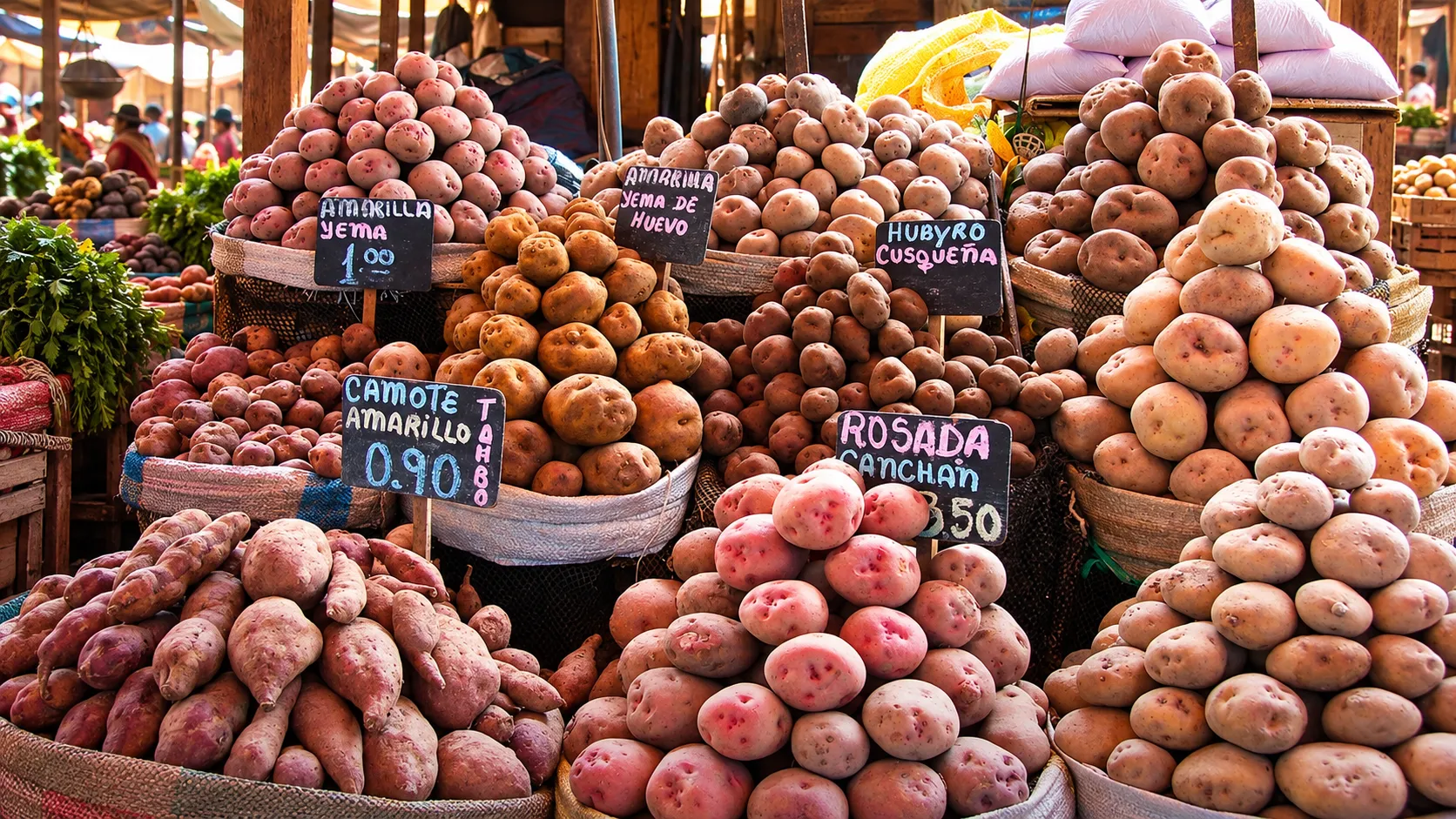
3. Potatoes: The Main Crop Dependent on the Sky
Papa is a native Quechua word that Spanish adopted as is. It is the crop most reliant on rainfall. According to INIA, native potatoes in the highlands are planted with the first rains, from mid-October through the second half of November. If the rains are delayed, planting is pushed back, shifting the entire agricultural calendar. That is why farmers keep a close eye on both the skies and the weather forecasts from SENAMHI for Cusco.
The main harvest arrives during the dry season, starting in April. But the cycle doesn't end there: with the winter frosts of June and July, part of that harvest is transformed into ch'uñu and moraya—freeze-dried potatoes that sustain the Andean pantry all year long. Many of these preservation techniques stem from Inca cuisine still prepared in local homes today.
What Actually Changes Today in San Pedro: The Table
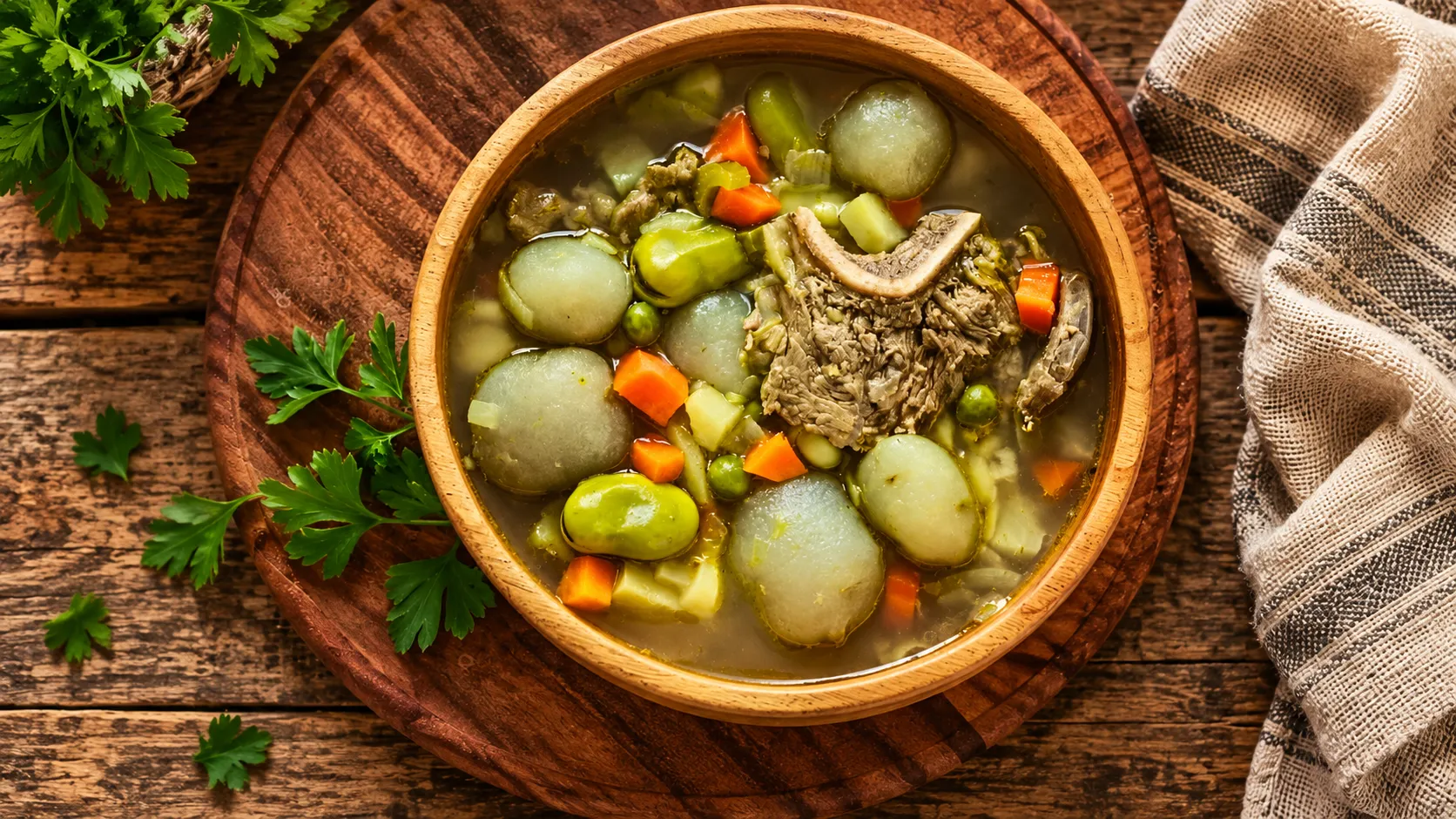
While the rain doesn't change the market stalls right away, it does change what you crave. As temperatures drop and overcast afternoons set in, the city calls for hearty broths. It is the season for soups to beat the cold: chairo, lawa, and caldo de cabeza. These dishes are crafted from the dried pantry—using ch'uñu, moraya, and grains stored from the previous harvest. It is the cuisine of waiting for the next harvest.
San Pedro Central Market has set this rhythm for over a century. Built in the 1920s, it was officially declared National Cultural Heritage by the Ministry of Culture in November 2024. As a result, any structural modifications now require state approval. Even official national tourism boards consider it an essential stop, as highlighted in PromPerú's feature on San Pedro Market.
From the Market to the Table, Just a Few Blocks Away
San Pedro is located just a few blocks from Plaza San Francisco, home to Pirwa Restaurant. If you explore the market in the morning, the best way to wrap up your visit is by sitting down to enjoy a meal made from the very ingredients you just saw raw. In this guide to an authentic lunch in downtown Cusco, we explain how locals eat.
If you are traveling, the market fits seamlessly into a city itinerary: you can combine it with a full-day Cusco city tour or walk up to San Blas, the oldest neighborhood in the city. If your trip falls during the rainy season and includes Machu Picchu, be sure to check where to catch the train to Machu Picchu beforehand. To see the rain-fed fava beans and fresh corn hit the stalls, plan your visit for the end of the Andean summer, marking the start of the best time to visit Peru.
The October rains aren't visible in the market stalls just yet. You will see them on the plate come Carnival.
Fecha de Publicación: 09/10/2026

