Oat-Roasted Suckling Pig A Table Tradition for All Saints Day
All Saints' Day is approaching, and roasted suckling pig is one of the dishes inevitably associated with this date. Discover the ingredients that define it and where it is traditionally enjoyed.
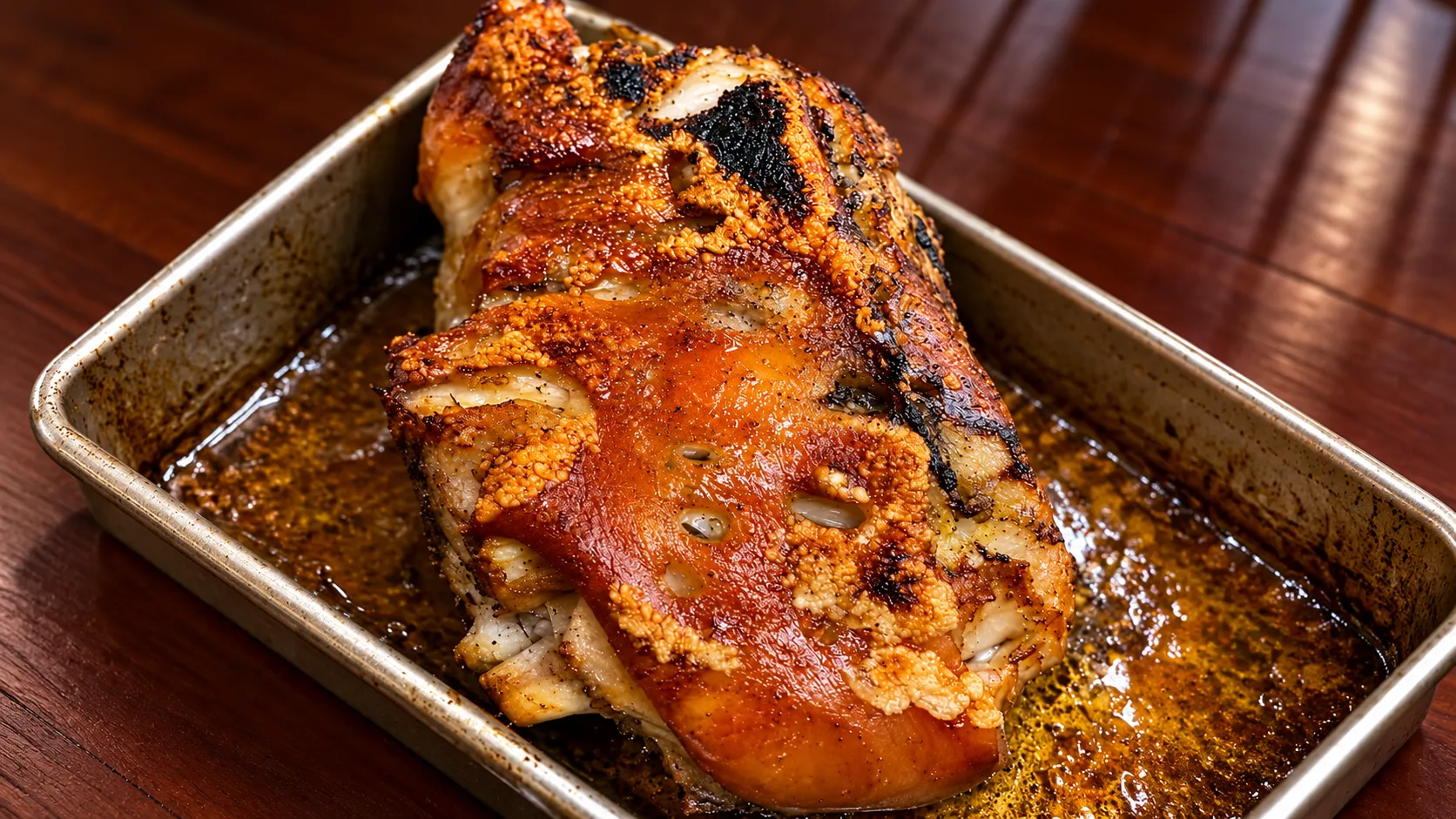
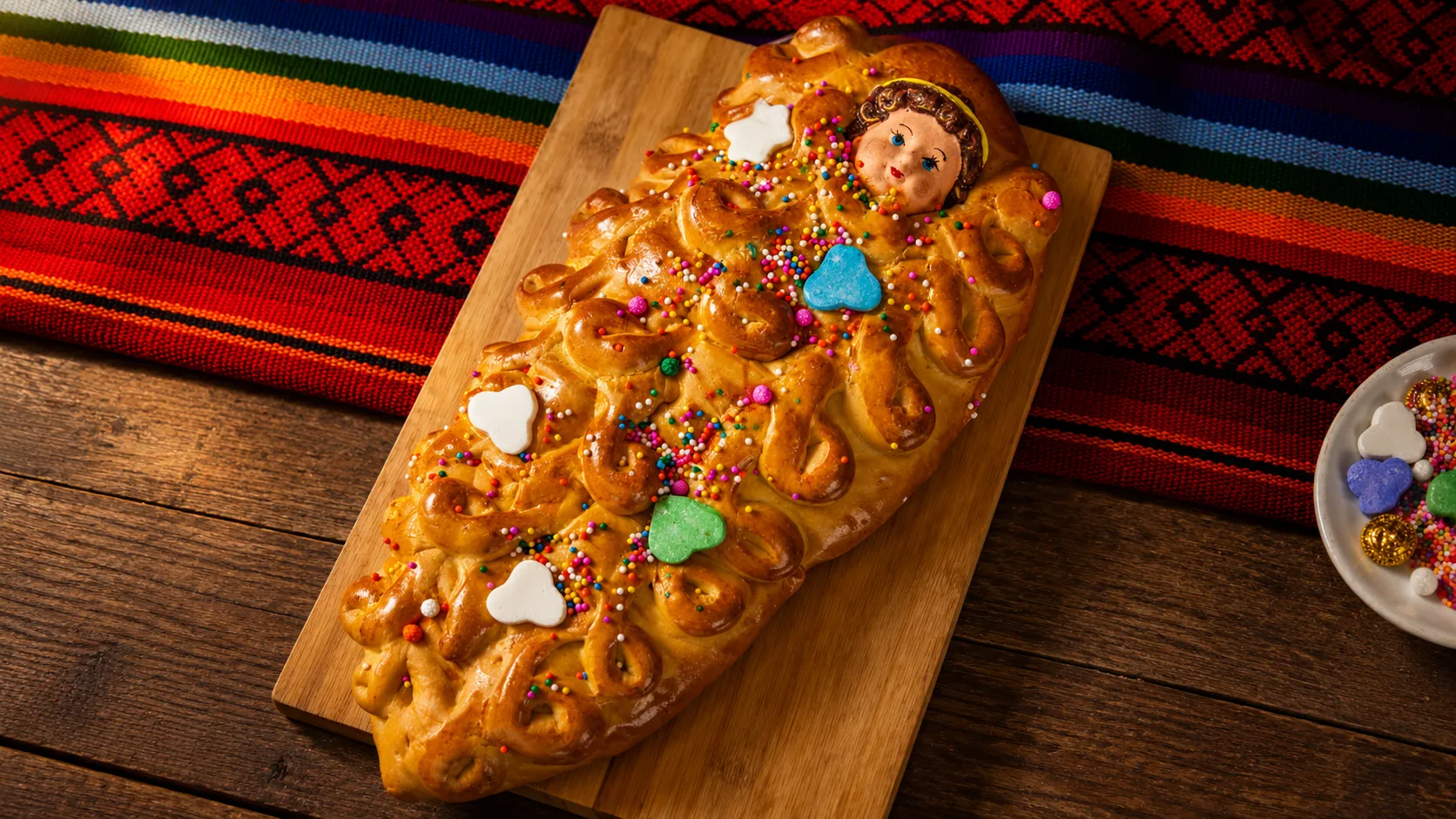
As the calendar advances toward November, the city prepares for the All Saints' Day festival, and roasted suckling pig (lechón al horno) is undoubtedly one of the dishes inevitably associated with the date. In 2022, the Provincial Municipality of Cusco enthusiastically announced that roasted suckling pig and traditional wawa bread would be the main stars of the scheduled activities in the bustling San Pedro and San Francisco squares from October 31 to November 2.
What It Is and What Characterizes This Dish
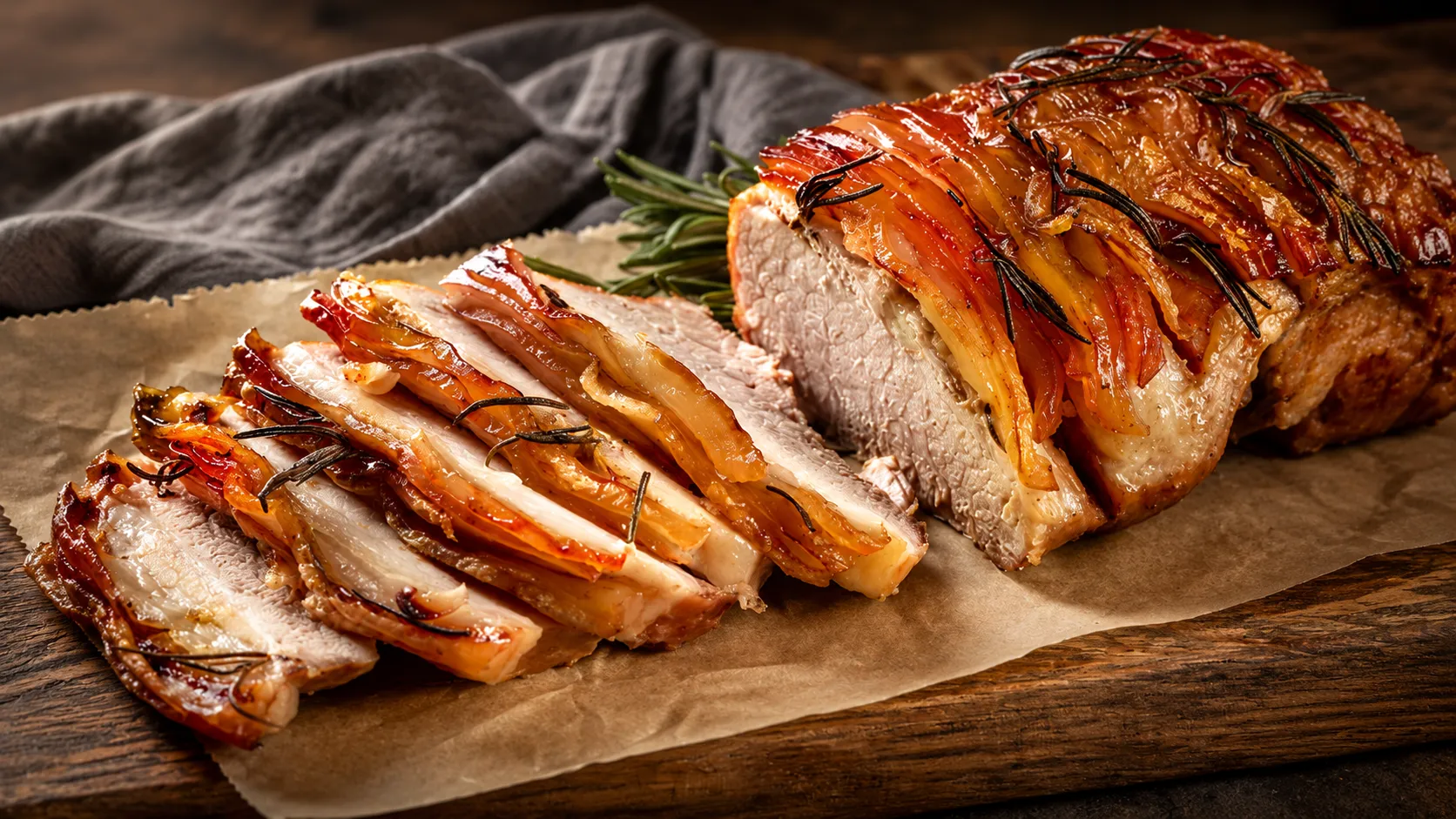
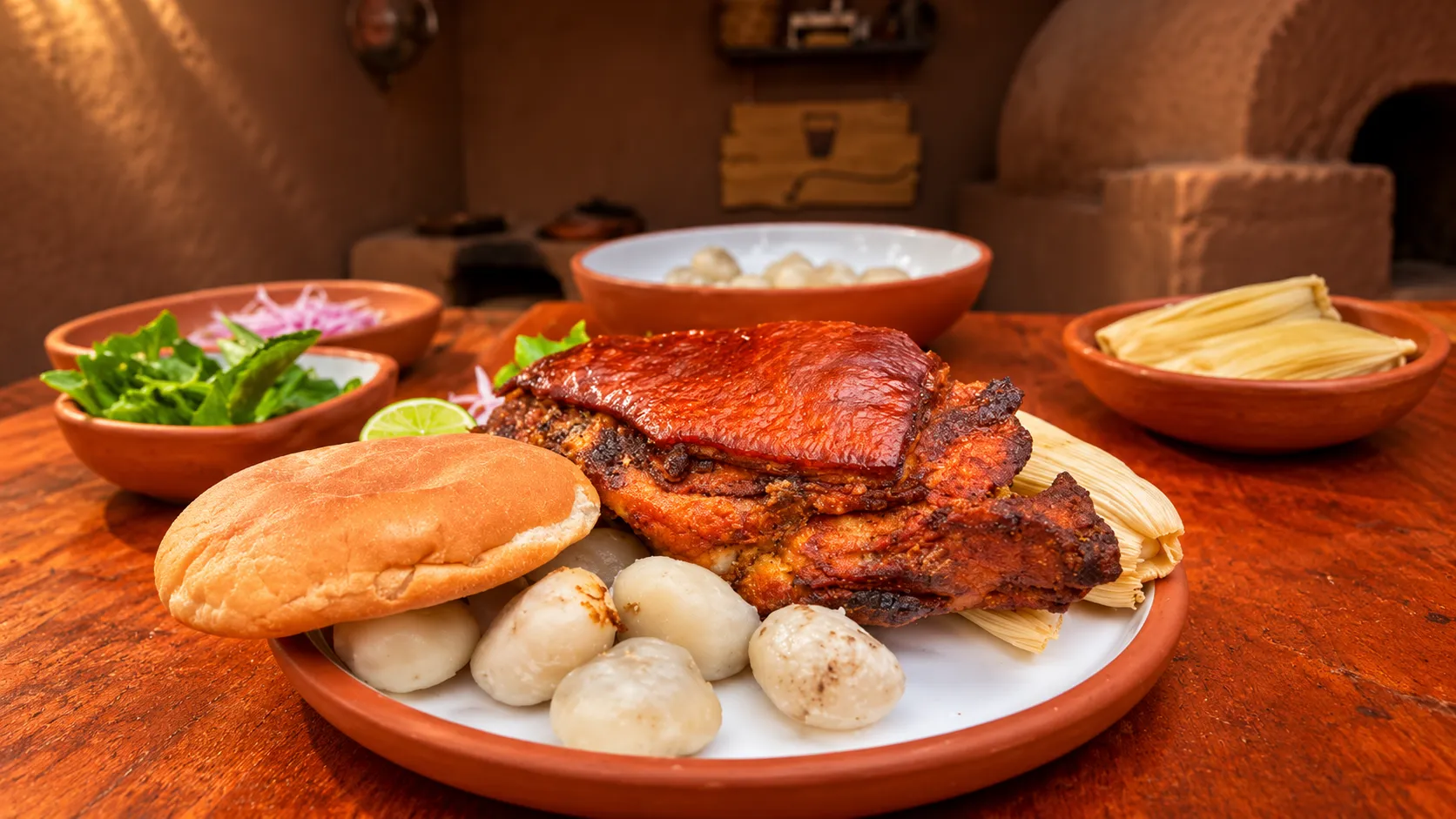
Roasted suckling pig enjoys a privileged place and is very present at the Cusqueñan table. In fact, it features prominently among the region's typical and representative dishes according to the lists of Cusqueñan gastronomy (Marca Perú). This delicious recipe fundamentally consists of juicy pork subjected to slow, patient roasting.
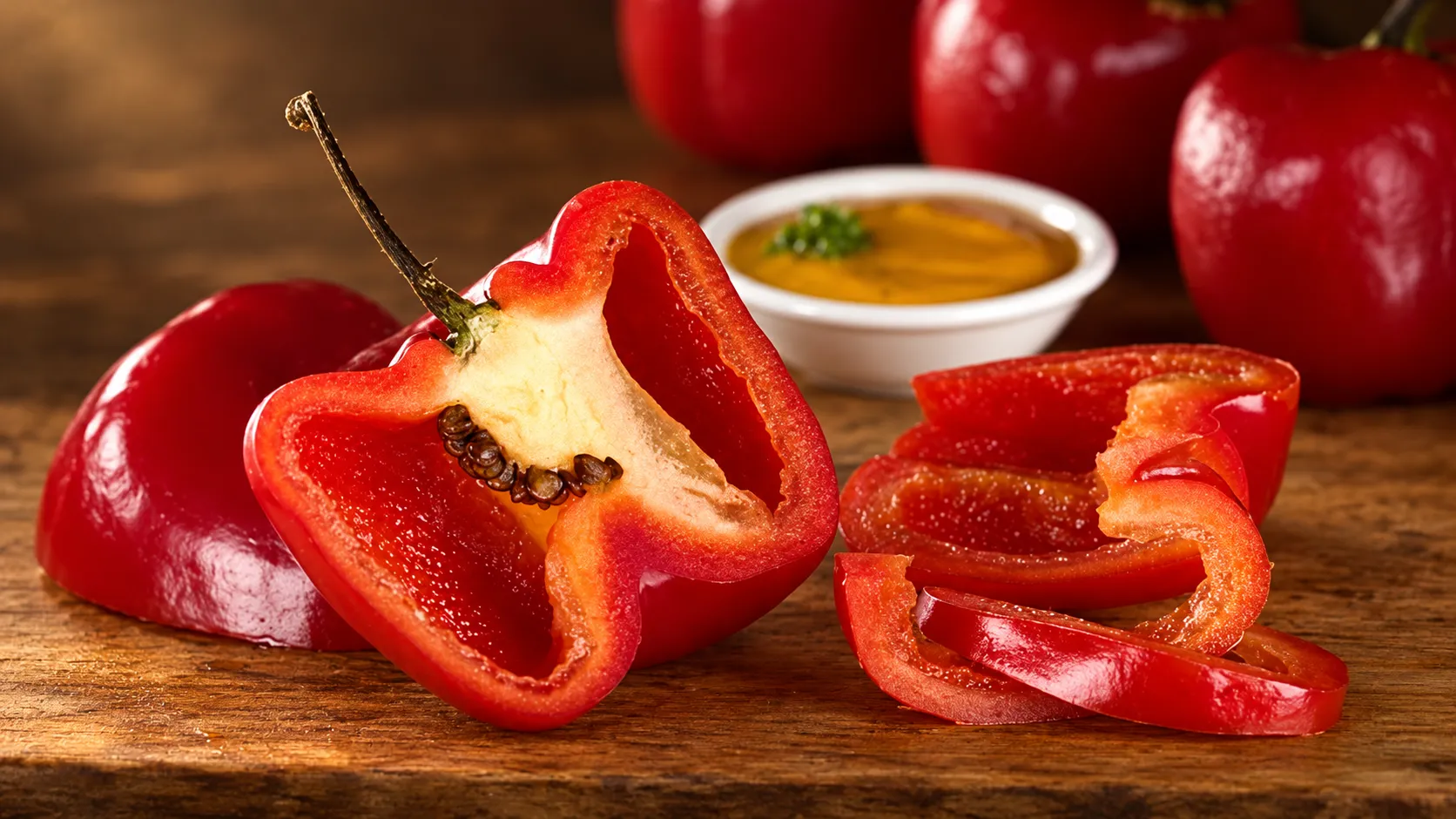
However, the real secret behind its unmistakable flavor profile lies in its seasoning. The meat is intensely seasoned using essential local ingredients such as onions and spicy rocoto pepper, achieving a perfect balance between the bold spices and the tenderness of the meat after its prolonged roast in the oven.
The Essential Table Side Dishes
Enjoying a good piece of roasted meat is only part of the culinary experience. The sides are essential to balance the strong flavors. During the festivities, wawa bread (also known as tanta wawa) is the inseparable companion for families. These colorful figures of baked sweet bread not only decorate the table, but also carry deep cultural meaning during November 1st.
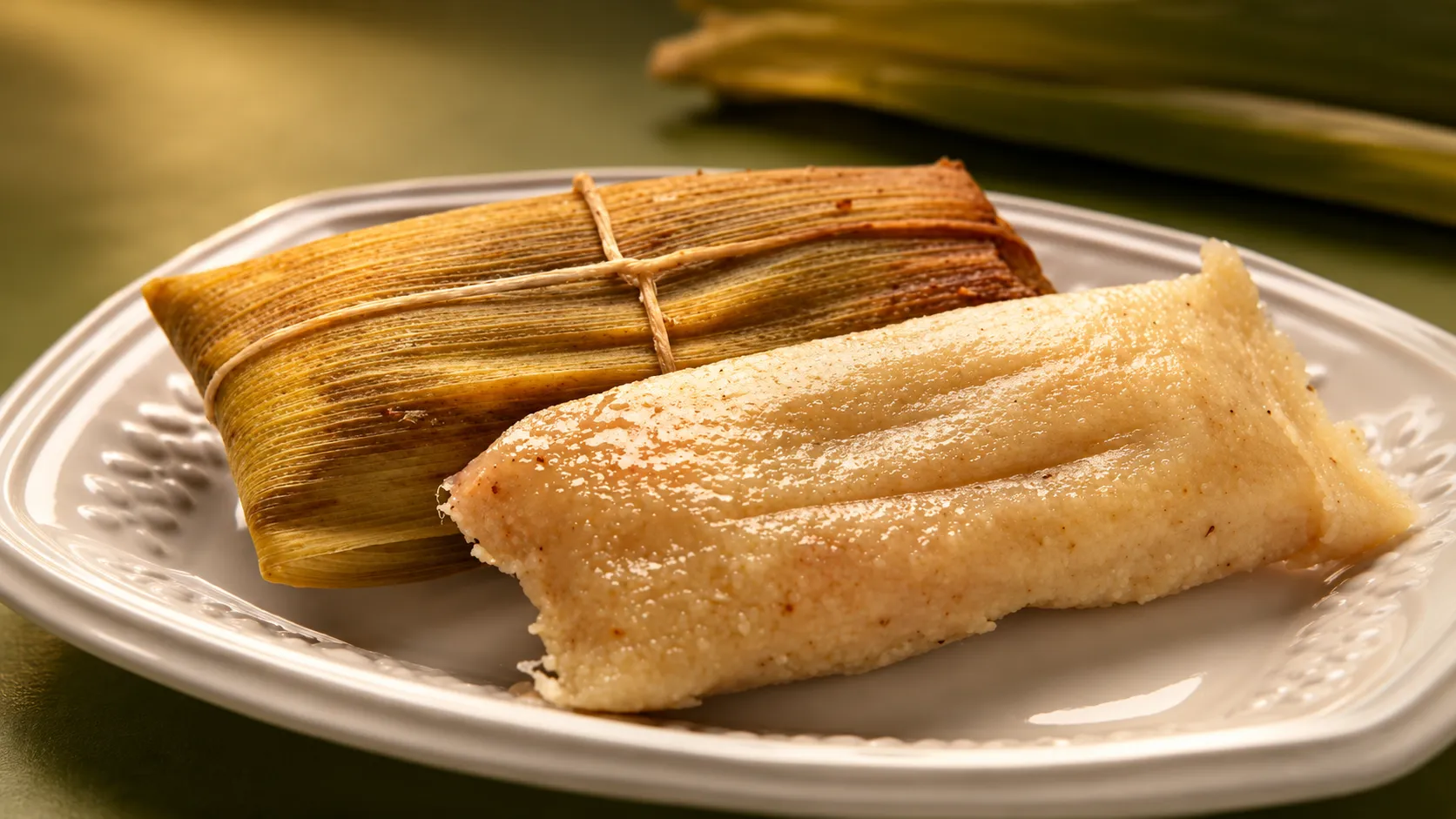
Outside the strictly festive atmosphere of the main squares, tradition dictates other savory accompaniments. In more rural and traditional areas, it is common to serve roasted pork alongside fluffy corn tamales and a thick piece of artisanal wheat bread—elements that help you savor every last drop of the cooking juices.
Where and When It Is Traditionally Eaten
The link between this dish and the festival honoring the deceased is very strong. Historically, public squares have become the epicenter of its consumption. For instance, the Bread Festival and baptism of the tanta wawa organized by the Municipality of Cusco brought together artisans and cooks in the Plaza de Armas to offer these delicacies to locals and tourists alike.
Beyond the specific celebrations of November 1st, those wishing to explore Cusqueñan delicacies and where to try them (PromPerú) often head to the beloved traditional picanterías and chicherías. These eateries, scattered throughout the historic center and its surroundings, keep old-world flavors alive. Another excellent alternative is taking a short trip toward the province of Anta; along the route to the Chanka region (via the Cusco–Abancay highway), it is a tradition to stop and taste the roast served with Huarocondo wheat bread and steaming tamales.
Practical Tips for Travelers
If you visit the Imperial City at any time of the year and want to try this roasted delicacy, it is important to keep in mind that not all restaurants prepare it daily due to its long cooking process. As a general recommendation for travelers, the safest approach is to confirm directly with the venue whether the dish is available before taking a seat, especially when visiting traditional chicherías or picanterías outside the city center.
Find the Taste of Home at Pirwa
Recipes that require patience, slow heat, and good ingredients remind us of the importance of honoring culinary roots. Andean celebrations always find their finest expression when shared around a good table filled with authentic flavors.
We invite you to visit us and discover our dedication to regional cuisine. Come to Pirwa Restaurant, located at Plaza San Francisco 168, Cusco. Make your reservation or contact us: WhatsApp +51 974 200 221.
See also
Fecha de Publicación: 22/10/2026

